Is Your Child Getting the Support They Need? The Truth About Mental Health Resources in DC Schools
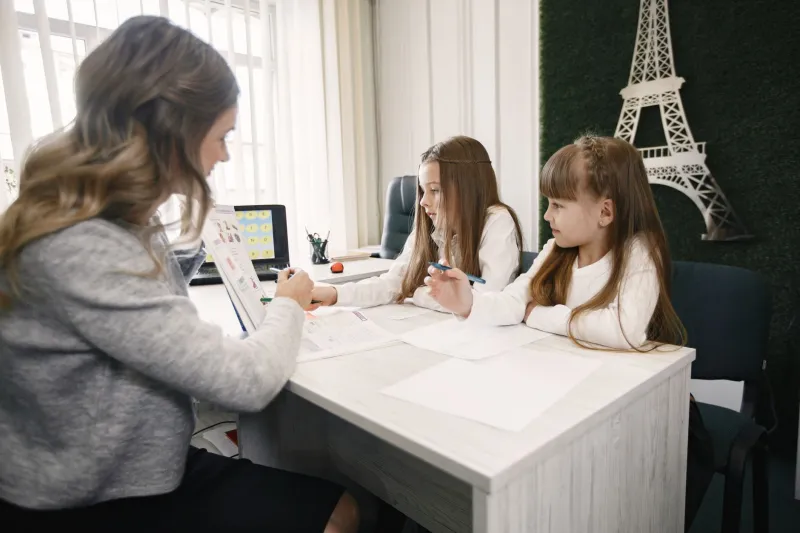
Let's be honest: the past few years have been a lot for kids. Between pandemic disruptions, social media pressures, and the everyday stress of growing up in a fast-moving city, students across Washington DC are carrying emotional weight that doesn't always show up on a report card. And while schools are increasingly aware of the mental health conversation, the reality on the ground — in hallways, counseling offices, and overbooked appointment calendars — tells a more complicated story.
If you're a DC parent wondering whether your child is getting the emotional support they need at school, you're not alone. And the answer, frustratingly, depends a lot on which school they attend.
The Numbers Don't Lie — But They're Not Great
The American School Counselor Association (ASCA) recommends a ratio of no more than 250 students per school counselor. It's a benchmark based on decades of research showing that counselors stretched too thin simply can't provide meaningful, consistent support.
Nationally, the average hovers around 408 students per counselor. In Washington DC, the picture is mixed. Some well-resourced schools — particularly in more affluent neighborhoods or well-funded charter networks — come close to meeting that ASCA standard. Others are managing caseloads that push past 400 or even 500 students per counselor.
That math is brutal. When a single counselor is responsible for hundreds of kids, they're triaging. Crisis intervention, college prep paperwork, scheduling conflicts, and compliance documentation all compete for the same hours in the day. Proactive, relationship-based mental health support — the kind that actually prevents problems from escalating — often gets squeezed out.
What's Actually Happening in DC School Counseling Offices
Talk to school counselors across the District, and a few themes come up again and again.
Wait times for non-emergency appointments can stretch from a few days to several weeks, depending on the school and the time of year. Fall tends to be especially backed up as counselors juggle new student orientations, schedule adjustments, and early-year behavioral referrals all at once.
Crisis response is prioritized — as it should be — but that means students dealing with anxiety, friendship struggles, academic stress, or low-grade depression often wait longer than they should. By the time they get a dedicated session, the moment of peak need may have passed, or worse, the issue may have grown.
Many counselors are also candid about role confusion. School counselors are trained mental health professionals, but they're frequently pulled into administrative duties that have nothing to do with student wellbeing. Scheduling, testing coordination, and paperwork can eat up a significant chunk of the week.
"I got into this work to sit with kids and help them process what they're going through," one DC middle school counselor shared. "Some weeks, I feel more like an office administrator than a mental health professional. That's not what students need from me."
Charter vs. DCPS: Is There a Difference?
DC's school landscape is unusually diverse — roughly half of public school students attend charter schools, and the mental health resources available vary significantly across both sectors.
DCPS has made investments in social-emotional learning frameworks and has expanded partnerships with community mental health organizations in recent years. Some schools have embedded therapists or social workers through partnerships with groups like the DC Department of Behavioral Health. But implementation is uneven, and not every school benefits equally from these arrangements.
Charter schools operate with more autonomy, which means the quality of mental health support really depends on each school's leadership priorities and budget decisions. Some charters have built impressive wellness programs; others treat counseling as an afterthought.
The bottom line: there's no guarantee that two kids attending public schools a mile apart are receiving anything close to the same level of support.
What Parents Can Actually Do
Here's the part that matters most if you're a family trying to navigate this. You have more leverage than you might think — but you have to know where to push.
Start by asking direct questions. Contact your child's school and ask specifically: How many students does each counselor serve? What's the typical wait time for a non-emergency appointment? Does the school have a mental health professional beyond the guidance counselor — a social worker, psychologist, or embedded therapist? You deserve real answers, not vague reassurances.
Know what's in your child's IEP or 504 plan. If your child has an existing plan, mental health supports can and should be written into it. If you believe your child needs more support than they're currently receiving, you have the right to request a meeting and advocate for additional services.
Get familiar with DC's community resources. The DC Department of Behavioral Health offers school-based mental health services at many sites across the city. The Community Mental Health Centers serve families regardless of income. And organizations like Children's National Hospital have outpatient behavioral health programs. These aren't substitutes for school-based support, but they can fill critical gaps.
Connect with other parents. School wellness committees and parent-teacher organizations can be surprisingly effective at pushing for systemic change — additional counseling hires, mental health awareness programming, or clearer communication about available resources. One parent asking questions gets a polite response. A group of parents asking the same questions gets a policy discussion.
Talk to your child about mental health directly. Normalizing the conversation at home makes it easier for kids to speak up when they're struggling. Let them know what school counselors are actually there for — not just college prep and scheduling, but genuine emotional support.
The Bigger Picture
The mental health challenges facing DC students didn't appear overnight, and they won't be solved with a single hire or a new wellness initiative. Researchers and educators broadly agree that sustainable change requires more investment in school-based mental health infrastructure — more counselors, clearer role definitions, and stronger partnerships with community providers.
There's real momentum in that direction, both locally and nationally. But momentum moves slowly, and kids need support now.
As a parent, staying informed about what your child's school actually offers — and being willing to advocate loudly when it falls short — is one of the most concrete things you can do. The system isn't perfect, but it does respond to pressure. And your kid is worth the effort.