Months of Waiting, Years of Impact: The Hard Truth About DC's Special Education Evaluation Backlog

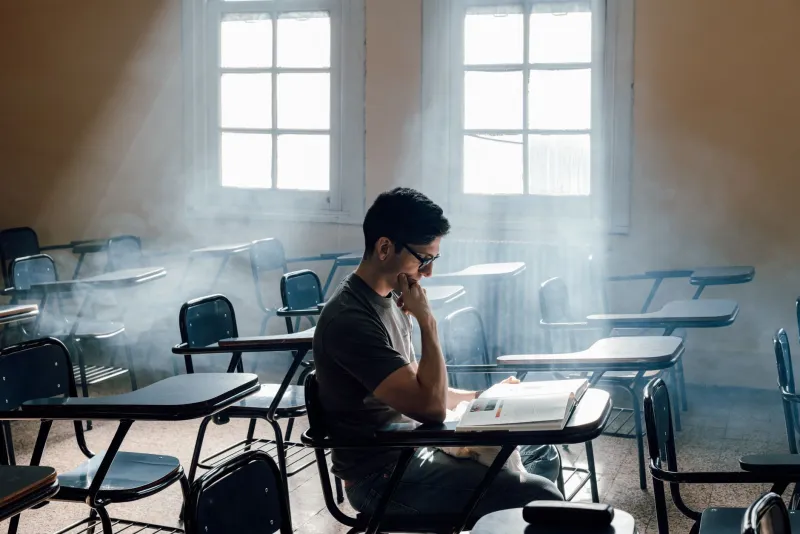
Imagine watching your child struggle in class every single day — falling behind on reading, shutting down during math, coming home exhausted and defeated — while you wait for a school system that's legally required to help them to actually do something. For hundreds of DC families, that's not a hypothetical. It's Tuesday.
Washington DC's special education evaluation process is in crisis. Parents are waiting months — sometimes well over a year — to get their children assessed, let alone receive the services those assessments recommend. And while the paperwork stacks up in administrative offices, real kids are losing ground they may never fully recover.
What the Law Says vs. What's Actually Happening
Here's the thing: federal law is pretty clear on this. Under the Individuals with Disabilities Education Act (IDEA), once a parent submits a written request for a special education evaluation, the school has 60 calendar days to complete the assessment and hold an eligibility meeting. Sixty days. That's the rule.
But families across DC are reporting a very different reality. Requests go unacknowledged. Evaluation timelines get pushed. Meetings get rescheduled. And somewhere in the shuffle, children with dyslexia, ADHD, autism spectrum disorder, and processing delays are sitting in general education classrooms without the support they're legally entitled to.
Advocates who work directly with DC families say the gap between the law and lived experience is staggering. "The 60-day clock is supposed to start the moment a parent submits a written request," explains one special education advocate who has worked with DC families for over a decade. "But we see schools that don't acknowledge the request for weeks, or they try to start an informal 'pre-referral' process first, which isn't required and eats up precious time."
Why the Backlog Exists
So why is this happening in one of the most well-funded school districts in the country? The answer, frustratingly, is complicated.
DC Public Schools and the city's charter sector both face a serious shortage of licensed school psychologists — the professionals primarily responsible for conducting special education evaluations. Nationwide, the ratio of school psychologists to students is already stretched thin, and DC is no exception. When psychologists leave mid-year or positions go unfilled for months, the caseloads pile onto whoever's left.
Administrative turnover compounds the problem. Families report that their child's case gets reassigned, documents get lost in the transition, and they're back to square one explaining their child's history to someone new.
There's also a structural issue with how requests are tracked — or not tracked. Without a centralized, transparent system that families can access to check the status of their child's evaluation, delays can quietly snowball with no one raising a flag.
"The system wasn't designed with urgency in mind," says one parent advocate who went through the process with her son three years ago. "I had to send the same documents four times. I had to call every week. And even then, we were past the 60-day window before anyone admitted there was a problem."
The Real Cost: What Delays Mean for Kids
This isn't just a paperwork problem. Every month a child waits for an evaluation is a month they're not receiving targeted support. For young children especially, early intervention is everything. The research is unambiguous: kids with learning disabilities who receive services early have significantly better long-term outcomes — academically, socially, and emotionally.
When evaluations drag on, children often internalize the struggle. They start to believe they're just "not smart," when in reality they have a specific, identifiable, and very treatable learning difference. By the time services finally kick in, some families are dealing with not just academic delays but anxiety, school avoidance, and damaged self-esteem.
For older students, the stakes are even higher. A high schooler waiting eight months for an evaluation might age out of certain interventions before they ever receive them.
What Parents Can Do Right Now
If you're in this situation — or suspect your child might need an evaluation — here's what advocates consistently recommend:
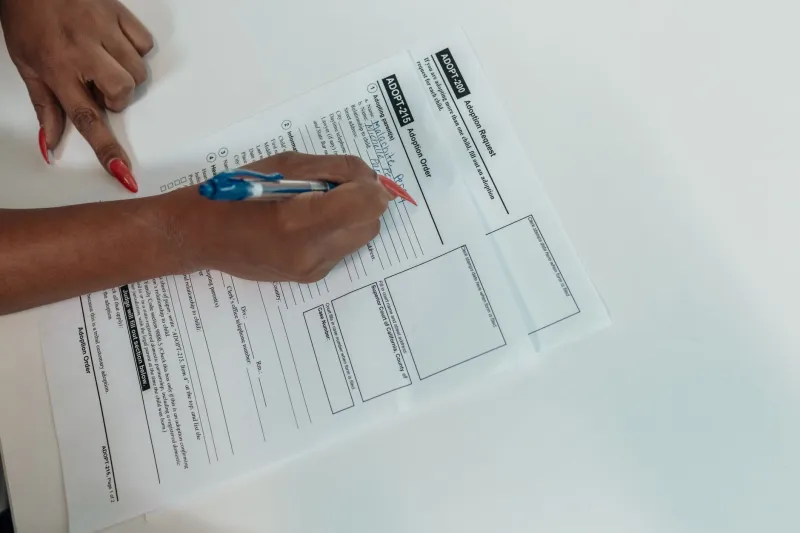
Put everything in writing, immediately. Don't make a verbal request at a parent-teacher conference and assume it counts. Send a formal written request for a special education evaluation via email to your child's principal and special education coordinator, and keep a copy. This is what starts the 60-day clock — legally.
Date-stamp everything. Keep a running log of every email sent, every phone call made, and every meeting held. If you ever need to file a complaint, documentation is your most powerful tool.
Know your right to an Independent Educational Evaluation (IEE). If you disagree with the school's evaluation — or if the school fails to evaluate in a timely manner — you may have the right to request an IEE at the school's expense. An advocate can help you navigate this.
Contact Disability Rights DC or a local special education advocate. Organizations like Disability Rights DC offer free resources and can sometimes intervene directly when schools aren't following the law. Having an advocate in your corner changes the dynamic significantly.
File a State Complaint if deadlines are missed. The Office of the State Superintendent of Education (OSSE) handles complaints about IDEA violations in DC. Filing a complaint isn't aggressive — it's using the system the way it was designed to be used.
Attend your child's school's Special Education Parent Advisory Group (SEPAG). These groups exist at many DC schools and can be a source of peer support, information, and collective advocacy.
What Needs to Change Systemically
Parent workarounds are necessary, but they shouldn't be the solution. Families shouldn't need to become legal experts just to access services their children are entitled to by law.
Advocates are calling for several systemic reforms: increased investment in school psychologist recruitment and retention, a transparent online tracking system for evaluation timelines, mandatory accountability measures when 60-day deadlines are missed, and stronger oversight from OSSE.
Some also point to the need for better training among general education teachers, so that referrals happen earlier and more consistently — before a child's struggles become a crisis.
DC has made meaningful investments in education over the past decade. But for families in the special education pipeline, those investments can feel invisible when their child is still waiting for a meeting that should have happened months ago.
You're Not Alone — And You Have More Power Than You Think
If you're currently stuck in the evaluation backlog, the most important thing to know is that the law is on your side. The timeline exists for a reason. The rights exist for a reason. And you have every right to enforce them.
Connect with other DC families going through the same process — online parent groups, school advisory councils, and community organizations can all be lifelines. Share what you learn. Advocate loudly. And don't let the silence from an administrative office convince you that your child's needs aren't urgent.
Because they are. And they can't wait.